Manufacturing ERP that connects your shop floor to your balance sheet.
Stop managing production in spreadsheets. Get real-time visibility into work orders, inventory, material consumption, and production costs — in one system your entire team can trust. From the machine operator on the floor to the CFO in the corner office, everyone works from the same data.
Problems We Solve for Manufacturers
Production tracking is manual and unreliable
Work orders managed on paper, whiteboards, or emailed Excel files. Nobody knows in real time what is in production, completed, or behind. Delivery updates require phone calls to the floor. Delays are discovered after they have already cascaded into missed dates. The shop floor and the office operate in two different realities.
Inventory counts never match reality
Raw-material inventory says two weeks of aluminum left; your supervisor says you run out Thursday. Since the last physical count, production consumed material that wasn't recorded, purchasing received a shipment that went to the wrong bin, and three sets of scrap were never written off. Disconnects cost rush orders, production stoppages, and unexplained month-end line items.
BOM, routing, and costing are disconnected
BOM in one system, routing tracked separately (if at all), costing calculated with a five-year-old formula. Knowing your actual production cost — material waste, labor time, machine hours, overhead — takes days of detective work to assemble a number that might still be wrong.
Compliance and traceability are a scramble
When an auditor asks you to trace a batch from raw material through production to customer delivery, it takes hours or days to assemble documentation from multiple systems. For food, pharma, chemicals, or any regulated industry, this is a compliance risk — and one failed audit can mean lost certifications, lost customers, and penalties that dwarf proper traceability costs.
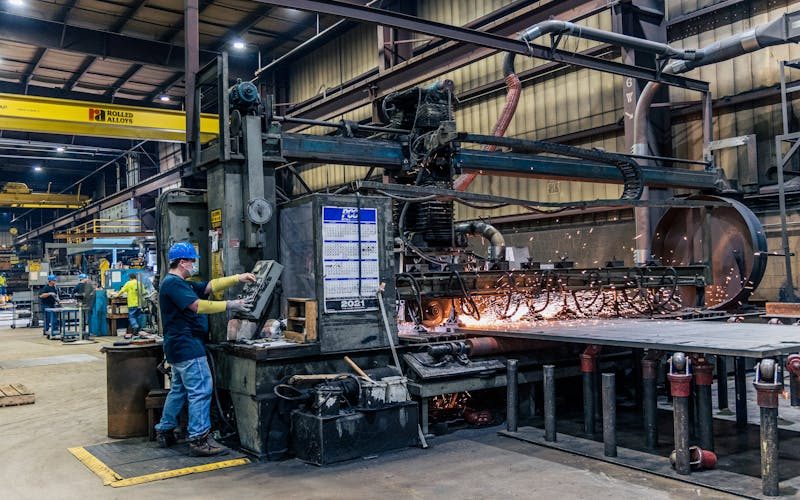
Meet your shop floor where it already is
Your operators already know how your production runs. What they do not have is a system that keeps up with them. We implement tools that match the pace of real production — barcode scanning at work stations, simple tablet interfaces that do not get in the way, and real-time status updates that flow directly into planning and accounting.
When the floor and the office share a live view of what is happening, supervisors stop chasing updates and start solving problems. The system becomes an assistant, not another box to tick.
What We Implement
Bill of Materials management
Multi-level BOM for complex products. Sub-assemblies, components, raw materials in a hierarchical structure. Updates cascade to every product using the component. Multiple BOM versions for engineering changes. Planned-vs-actual material consumption.
Work order tracking with real-time status
Create, schedule, and track work orders from office or floor tablet. Live status: draft, in progress, paused, QC, done. Material consumption, labor, and output recorded as production happens. Supervisors see a live dashboard of every active work order.
Production planning and scheduling
Schedule based on customer orders, forecasts, and capacity. The system considers material availability, machine capacity, and labor. A rush order shows you immediately what it displaces. Planning becomes real-time, not a weekly spreadsheet.
Batch and lot tracking
Assign batch/lot at receipt, track through every production step to final delivery. Full forward and backward traceability. Essential for food safety, pharma GMP, and chemical compliance.
Quality control checkpoints
Define QC points at any production stage. Record inspection results, attach photos, trigger alerts on out-of-tolerance measurements. Failed inspections auto-pause the work order and notify QC. Complete quality record without paper forms.
Automated procurement
Raw material inventory hits reorder point → system generates a PO draft. No more stockouts because someone forgot to check a bin. No more emergency orders at premium prices. Purchasing shifts from reactive firefighting to planned, cost-optimized procurement.
Real-time production costing
Actual cost per unit as production happens — not weeks later. Material at actual cost (FIFO, average, or standard). Labor time from work orders. Machine costs based on usage. Overhead via your allocation rules. Margins become visible and actionable.
Integrated accounting
Every production event generates accounting entries automatically. Raw material consumption, WIP, finished goods receipt, scrap write-offs — all real-time, no manual journal entries. Month-end manufacturing close goes from painful to predictable.
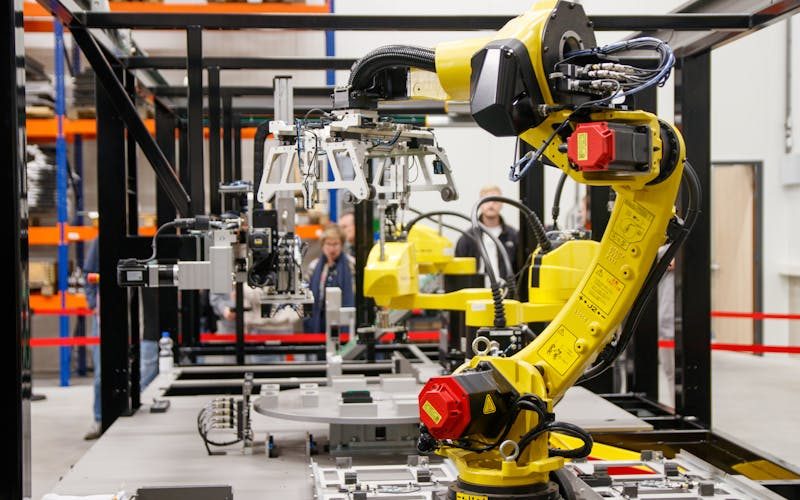
Automation that fits your actual complexity
You do not need a fully lights-out factory to benefit from automation. The biggest wins usually come from eliminating the small, repetitive decisions: when to trigger a purchase, when to route a job to the next station, when to flag a quality exception.
We configure the ERP to handle those routine decisions for you, and to surface exceptions clearly when a human needs to step in. Your team gets to focus on the interesting problems — not the ones a system could solve.
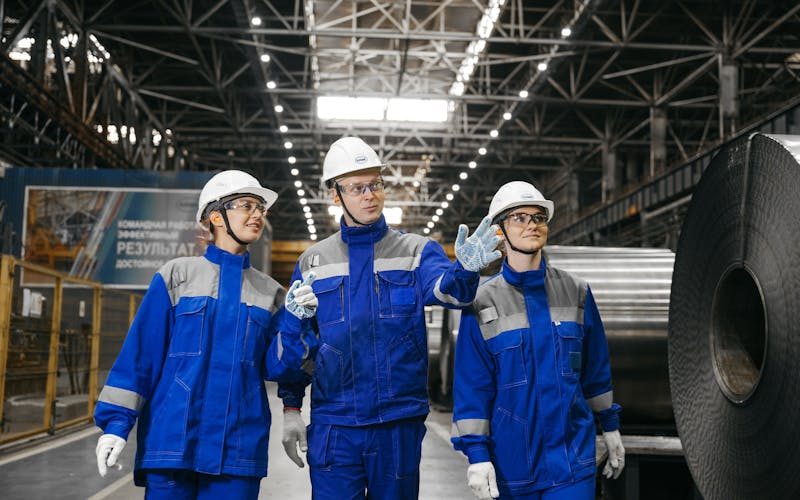
Your team designs the system with us
The most common reason ERP projects fail: the people who actually run the operation are not in the room when the system is designed. We flip that. Our discovery phase is built around shadowing your team during normal production and capturing how things really work.
By the time configuration begins, the people who will use the system every day already understand why each decision was made. That drives adoption — the single most important factor in whether your ERP delivers value.
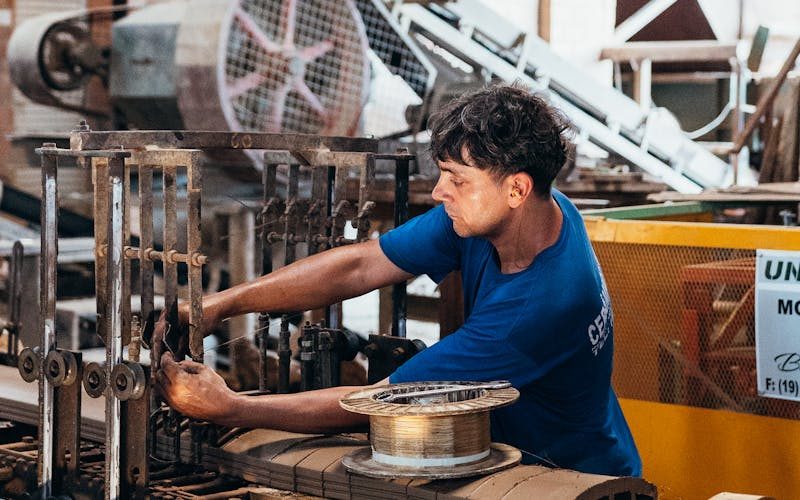
From operator tablet to CFO dashboard
A barcode scan at a work station should ripple through the system in seconds — consuming raw material, advancing the work order, accruing labor cost, and updating WIP on the balance sheet. That is not a theoretical ideal. It is what a properly configured Odoo implementation does out of the box.
The result: your operators get faster, cleaner tools. Your supervisors get live visibility. And your finance team stops reconstructing what happened last month and starts looking forward.
What a Typical Engagement Looks Like
| Phase | Duration | What happens |
|---|---|---|
| Discovery | 1-2 weeks | Facility visit or remote workshops. Map production flows. Identify high-impact areas. |
| Phase 1 Design | 1-2 weeks | Design for your top 3 pain points: typically inventory + BOM + work orders. |
| Phase 1 Build | 4-8 weeks | Configuration, sample data import, testing with your team. |
| Go-Live + Support | Ongoing | Assisted go-live, daily support week 1, monthly support after. |
| Phase 2+ | When ready | Quality, maintenance, advanced planning, MRP. |
Ready to connect your shop floor to your balance sheet?
Most manufacturers we work with see measurable results within 8 weeks of Phase 1 go-live. A fraction of the cost of SAP, Oracle, or Microsoft Dynamics implementations — with faster time to value and a team that actually understands manufacturing operations.