Warehouse to invoice. No gaps, no guesswork.
Unified warehouse management, order routing, client-facing portals, and automated billing — for third-party logistics companies that are tired of duct-taping disconnected systems together. Give your clients the visibility they demand without burying your team in manual work.
Problems We Solve for 3PL Companies
Your clients cannot see their inventory
Clients want to know what you hold for them: incoming shipments, current stock, outbound status, historical reports. The only way they get it is by calling or emailing your team, who look it up and relay it back. This consumes staff time every day and creates a perception gap: even with excellent operations, your clients feel out of control.
Order routing and fulfillment are manual
An order comes in from a client. Someone reads the email, enters it, determines warehouse and zone, generates a pick list, hands it to the floor, manually updates status when shipped. Every handoff is a potential delay. Every manual entry is a potential error. The process does not scale.
Billing disputes erode trust
Warehouse tracks activity in one system. Billing sends invoices from another. When the two do not match — and they often do not — you end up in dispute with your client. Billed storage that was already shipped. Handling fees the client says were never requested. Each dispute takes hours, delays payment, and chips away at the relationship.
No batch or lot visibility
For clients with regulated products — food, supplements, cosmetics, chemicals, pharmaceuticals — you need batch/lot tracking from receipt through every move to final shipment. If you cannot produce traceability quickly and accurately, you are a liability, and they will find a 3PL who can.
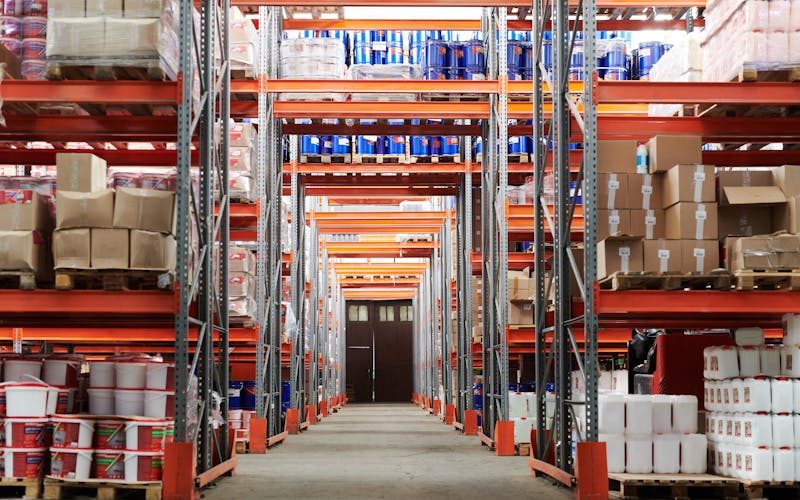
One warehouse, many clients, one system
Running a 3PL is harder than running your own warehouse — every client has different products, different SLAs, different reporting expectations, and different billing structures. The system you run on has to handle all of that without becoming a configuration nightmare.
We configure Odoo to separate client inventory cleanly, enforce client-specific rules at receipt and dispatch, and surface per-client reporting without manual filtering every time.
What We Implement
Warehouse management system
Receipt management with barcode scanning. Putaway rules that assign goods to correct zone and bin by product type, temperature, or client allocation. Internal transfers tracked end to end. Pick lists auto-generated with optimal routing to minimize travel time. Dispatch confirmation with proof of shipment. All real-time on tablets or handheld scanners.
Client-facing portals
Each client gets a secure login: inventory levels, inbound/outbound tracking, shipment status with tracking numbers, reports (snapshots, activity logs, billing summaries), and direct order submission. Pulls data live from your warehouse system. Eliminates the majority of status inquiries.
Automated billing
Billing generated directly from warehouse activity. Storage charges from actual holding periods. Handling from real receipt and dispatch events. Value-added services recorded as they happen. Because invoices are generated from the same data that records activity, disputes drop dramatically. Clients see exactly what they are charged for and why.
Batch and lot tracking
Capture batch/lot at receipt. Track through every move: putaway, transfers, picking, packing, dispatch. Full forward (batch → customer) and backward (customer complaint → batch) traceability. Expiry alerts, FIFO enforcement at the system level.
Multi-warehouse support
Multiple warehouses from one system. Transfers with full tracking. Consolidated reporting. Client-specific warehouse allocation if required. Scale from one warehouse to ten without changing systems.
Operations dashboards
Receiving throughput, pick productivity, dispatch accuracy, storage utilization — visible in real time. Spot capacity issues and quality problems before they become client complaints.
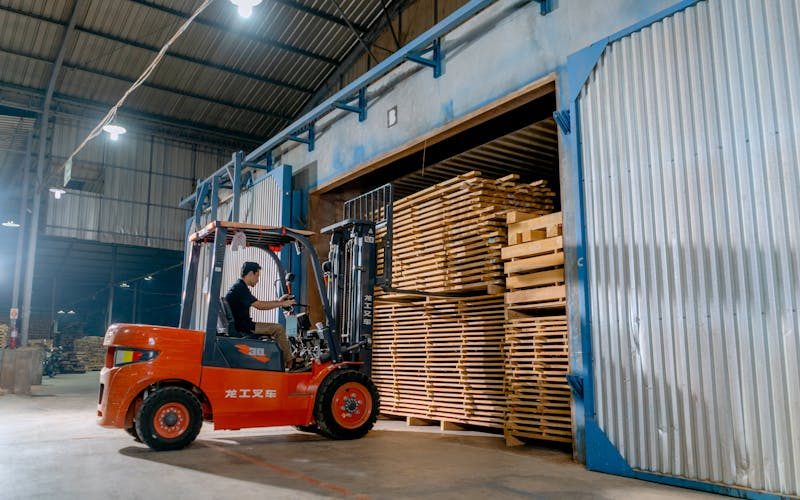
Speed on the floor, accuracy on the invoice
Every pallet move, every carton pick, every loaded trailer is a billable event. When your WMS and your billing run on the same data, throughput stops being in tension with accuracy — they reinforce each other.
Your team moves faster because the system guides them. Finance closes faster because the billing is already there. And your clients get invoices they can actually reconcile against their own records.
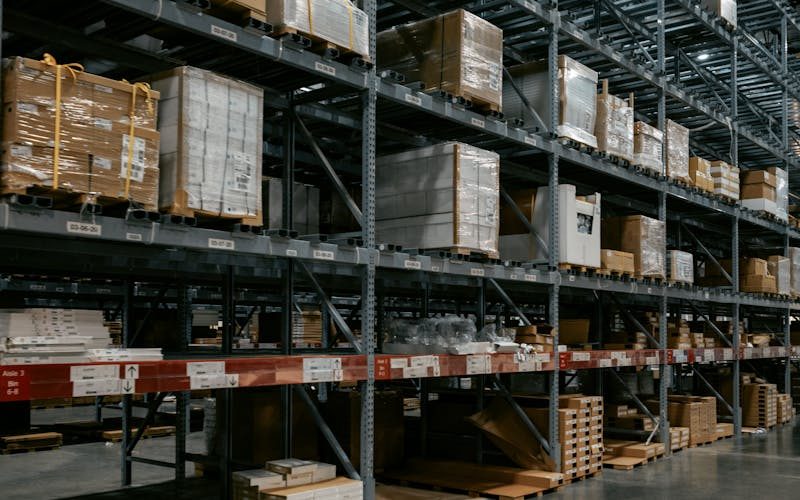
Orderly operations your clients can see
Nothing builds client trust faster than self-service visibility. When they can log in and see exactly what you hold, what moved yesterday, and what is on the way — the inbound email volume drops and the relationship shifts from reactive to collaborative.
We configure client portals that expose the right data without exposing your internal operations. Each client sees only their own inventory and activity, with reports they can export for their own systems.
What a Typical Engagement Looks Like
| Phase | Duration | What happens |
|---|---|---|
| Discovery | 1-2 weeks | Site visit. Map receipt, putaway, pick, pack, ship flows across clients. |
| Phase 1: Core WMS | 6-10 weeks | Warehouse management, receipts, putaway, pick/pack/ship for one or two priority clients. |
| Phase 2: Client Portals | 3-5 weeks | Secure client logins with inventory, orders, shipment tracking, reports. |
| Phase 3: Automated Billing | 3-5 weeks | Storage, handling, VAS billing rules tied to warehouse activity. |
| Ongoing support | Monthly | Onboarding new clients, new SLAs, new rules. |
Give your clients the visibility they demand.
One logistics client reduced order processing time by 40% and nearly eliminated billing disputes within 10 weeks of go-live. Their client satisfaction scores improved because customers could finally see their inventory in real time — without making a phone call.